Am I a candidate for injectables?+
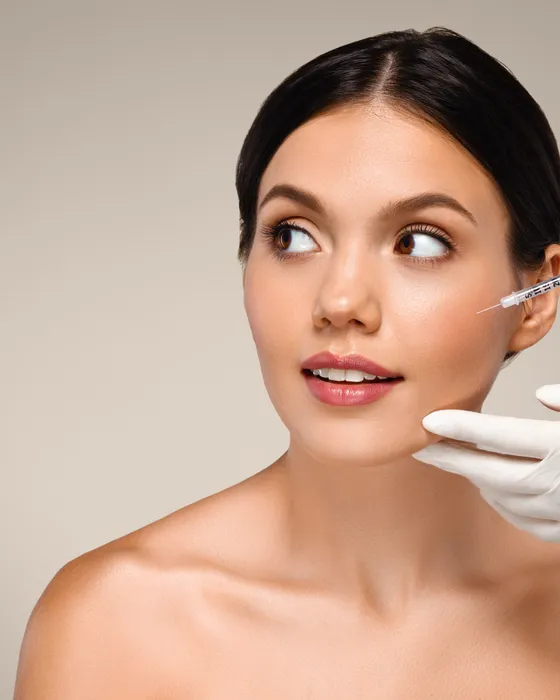
If you are over 18, not pregnant or breastfeeding, and have no active skin infection or autoimmune flare, you are usually a candidate. The consultation confirms it in ten minutes.
Who performs the injection?+
Only physicians and specialist nurses trained in facial anatomy. Nobody injects in this clinic without a medical licence on file.
Which brands of filler do you use?+
Cross-linked hyaluronic acid from CE-marked European manufacturers. You see the sealed box and batch label before it is opened.
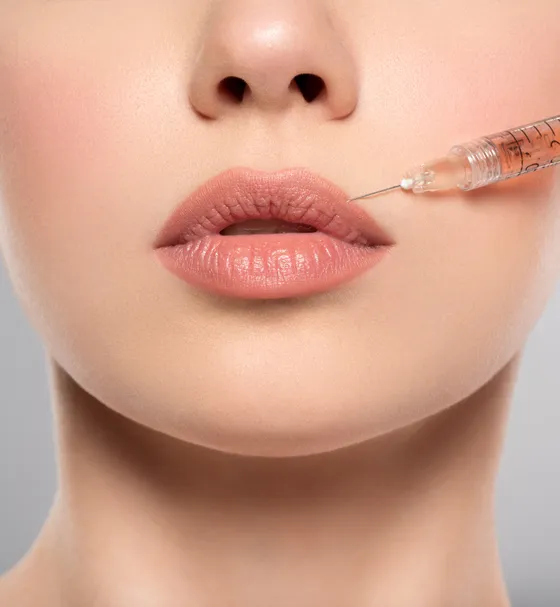
How long does lip filler last?+
Typically 8–12 months. Metabolism, smoking and heavy exercise shorten it; conservative dosing lengthens it.
Will my lips look overfilled?+
Not with our protocol. We cap the first session at a small volume, review at two weeks, and add only if the shape asks for it.
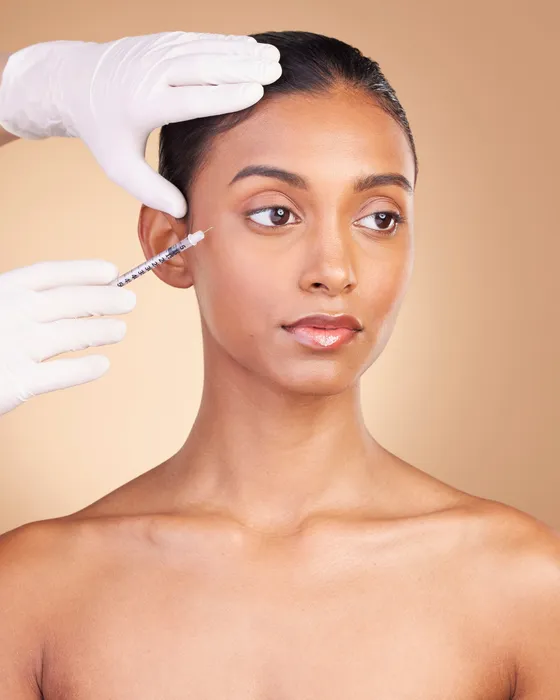
How soon does Botox work?+
First movement changes at day 3, full effect at day 14. We review you at two weeks and refine at no charge.
How long does Botox last?+
Three to four months for a first treatment, often longer once the muscle is trained by repeat sessions.
What is Mesobotox and how is it different?+
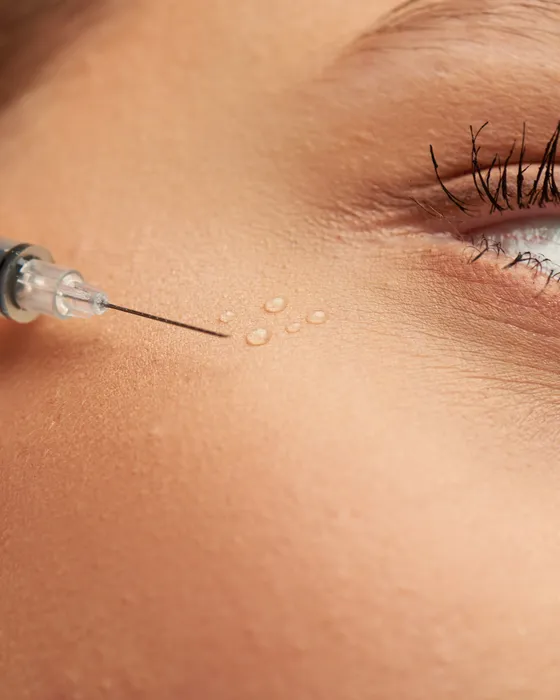
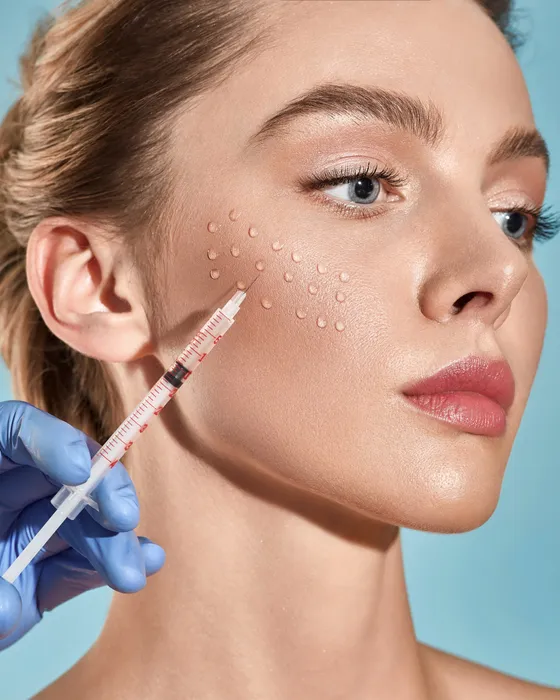
Micro-droplets placed superficially across a wider area. It softens fine crepe lines and pore texture without freezing expression.
Is eye mesotherapy safe around the lower lid?+
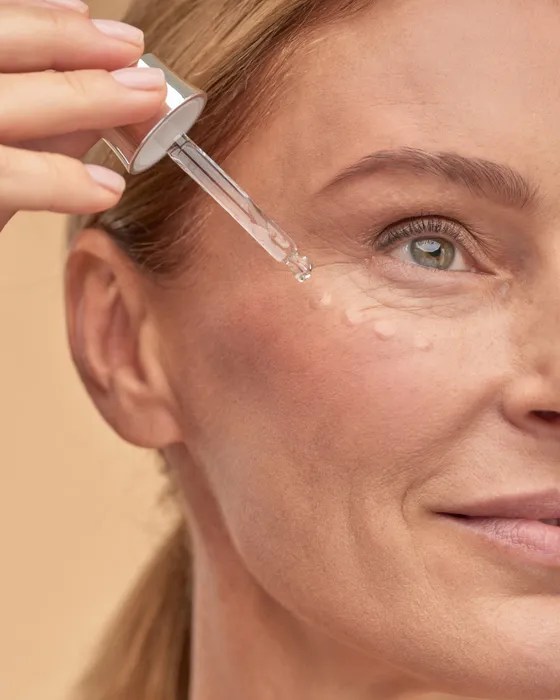
Yes, with cannula-free micro-needling depth control and a lymphatic-drainage aftercare protocol to limit puffiness.
What does cheek filler actually change?+
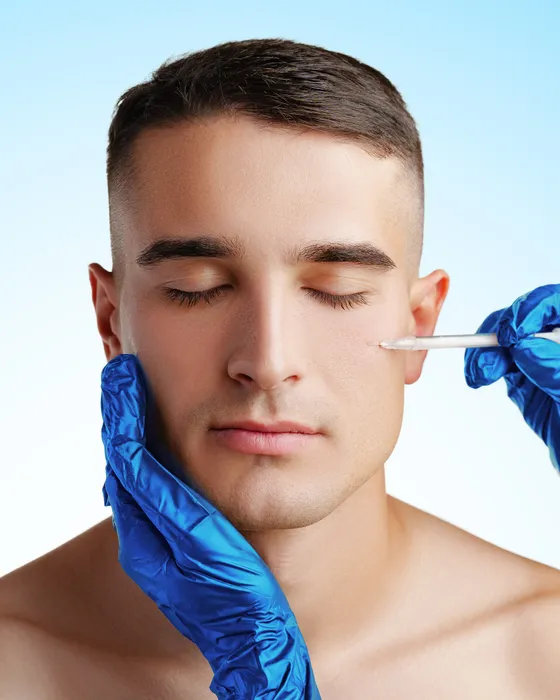
It restores the light-catching edge of the midface, which lifts the nasolabial fold and the jawline indirectly.
Does jawline filler make a face look wider?+
Only if placed laterally without a plan. We define the angle and the border separately so the face reads sharper, not broader.
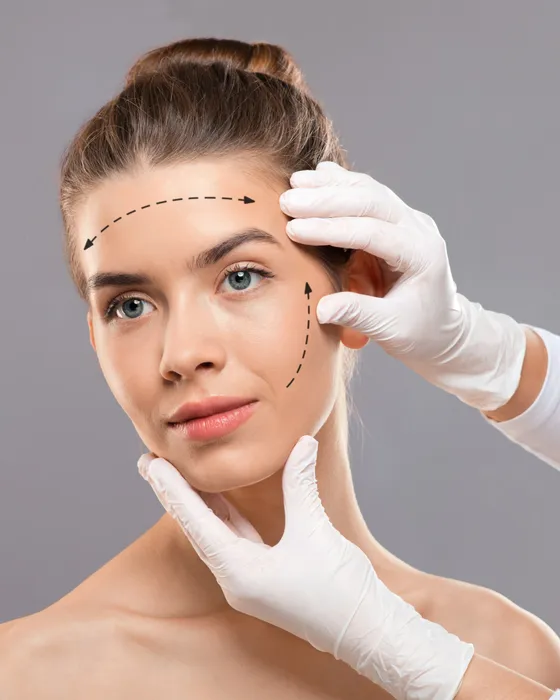
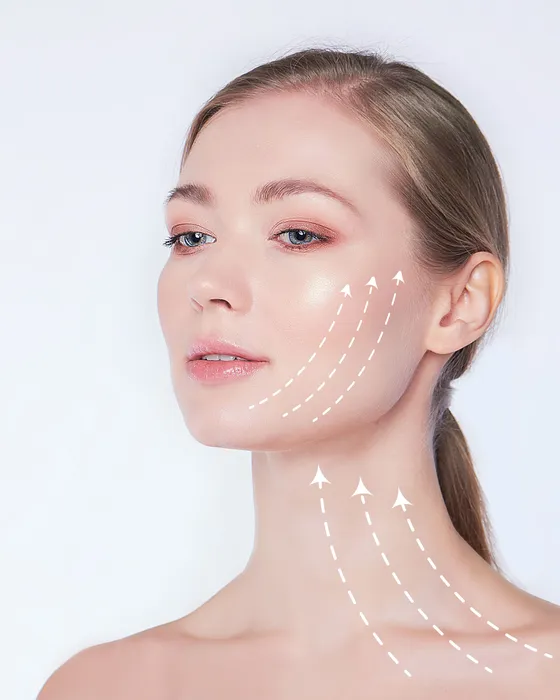
What is an 8-point lift?+
Eight anatomically fixed points across the midface and jaw treated in one sitting to re-suspend descending tissue. No surgery, no downtime.
Is full-face Botox a lot of product?+
It is a wider map at a lower dose per point — the total is often close to a standard upper-face session.
Does fat-dissolving injection really work?+
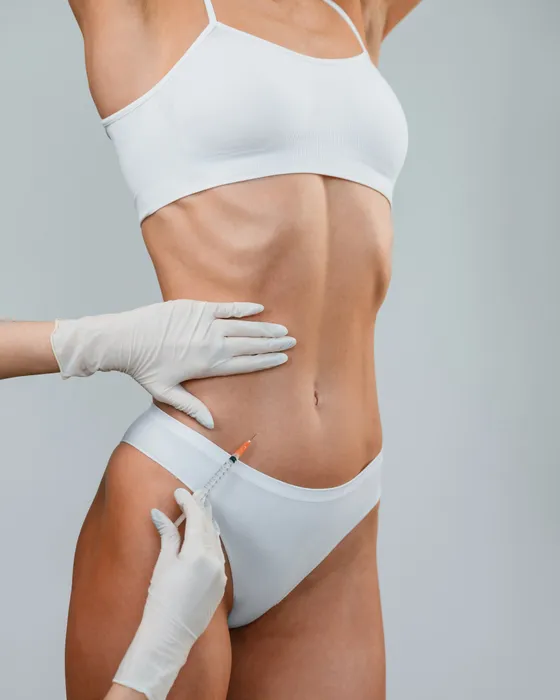
For small, pinchable pockets like the submental area, yes, over 2–4 sessions. It is not a treatment for general weight loss.
What is a skin booster?+
Non-cross-linked hyaluronic acid placed in the dermis for hydration and glow. It changes quality, not shape.
What is Profhilo and when do you recommend it?+
A high-concentration bio-remodelling gel for laxity of the cheeks, neck and arms. Two sessions, four weeks apart.
How is Fillart different from ordinary filler?+
It is a technique, not a product: layered micro-boluses following the light map of the face rather than filling a single line.
Does it hurt?+
Topical anaesthetic for 20 minutes, lidocaine inside most fillers, ice and vibration during. Most guests rate it 2–3 out of 10.
What is the downtime?+
Small bruising or swelling for 24–72 hours. Plan any event at least a week after your appointment.
Can filler be reversed?+
Hyaluronic acid can be dissolved with hyaluronidase within a day if you dislike the result. Neuromodulators simply wear off.
Am I too young for a hair transplant?+
Under 25 we usually stabilise loss medically first, then transplant — otherwise the donor is spent chasing a moving hairline.
FUE or FUT — which do you do?+
Follicular unit extraction, punch by punch. It leaves no linear scar and lets you keep short hair.
How many grafts will I need?+
A receding hairline is typically 1,800–2,500; a full crown restoration 3,000–4,500. Trichoscopy at consultation gives your number.
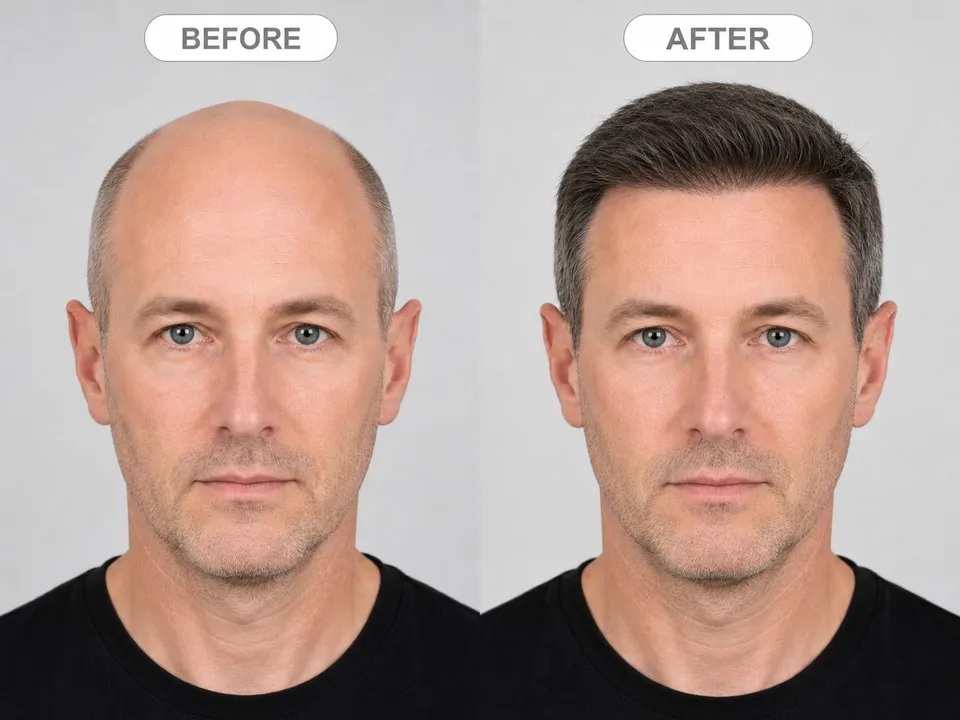
Will the new hairline look natural?+
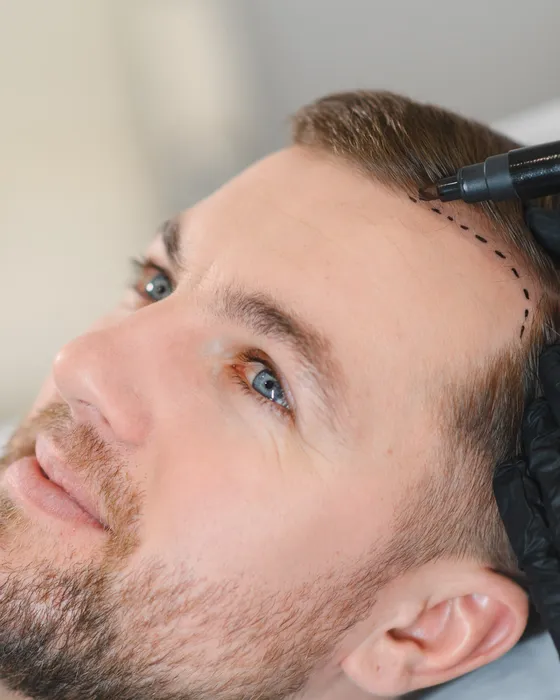
We draw it against your facial proportion and forehead movement, then place single hairs at the front row and doubles behind.
Is the result permanent?+
Transplanted follicles come from the donor zone, which is genetically resistant to hormonal thinning, so they behave like donor hair for life.
When will I see hair?+
Shedding at weeks 2–6, first growth at month 3–4, meaningful density at month 8, final result at month 12–15.
Does the procedure hurt?+
It is done under local anaesthetic. You are awake, watching a film or sleeping. Soreness the first two nights, managed with simple analgesia.
How long is the day?+
Six to nine hours including breaks and lunch, depending on graft count.
When can I go back to work?+
Desk work at day 3–4 with a loose cap. Client-facing work is comfortable from day 10 once redness fades.
When can I train again?+
Walking from day 3, light gym at day 10, heavy lifting and swimming from week 4.
What happens to my donor area?+
It is harvested in a diffuse pattern so density drops evenly and invisibly. It is fully covered again in two weeks.
Can you fix a previous bad transplant?+
Often yes — by redistributing the front row, excising plug grafts and adding density behind. It needs a longer plan.
Do you transplant eyebrows?+
Yes. Single-hair grafts angled almost flat to the skin, following the natural sweep of each eyebrow section.
How is beard transplant different?+
Sparser placement, steeper angles and a much finer punch, to read as stubble rather than a hair patch.
Do women get hair transplants here?+
Yes — for frontal recession, widened parting and post-surgical scars, usually without shaving the recipient area.
What is Hair Meso?+
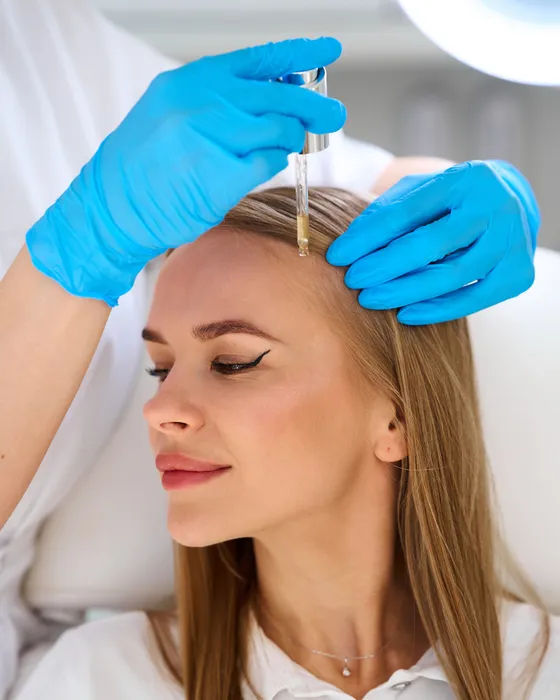
A vitamin, peptide and growth-factor cocktail delivered to the scalp to strengthen existing follicles. It complements, not replaces, transplant.
What is PRP Meso Hair?+
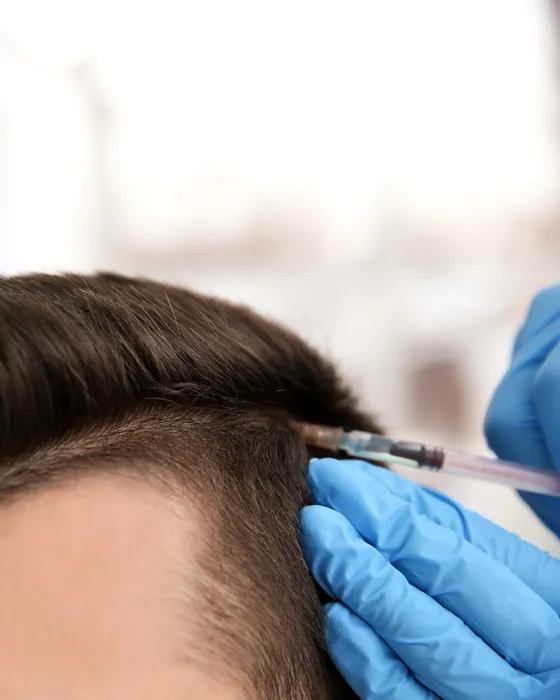
Your own platelet-rich plasma, spun in clinic and injected into the scalp. Typically three sessions a month apart, then maintenance.
Will I still need medication after surgery?+
Usually yes, to protect the native hair around the graft. The transplant does not stop your original pattern of loss.
Are there any scars?+
Hundreds of pin-point healing marks under 1 mm, invisible at conversational distance within a month.
What if a graft does not take?+
We audit density at month 12. Any shortfall against the agreed plan is corrected in a touch-up session at no cost.
Who is a good candidate for blepharoplasty?+
Anyone with hooded upper lids, tired lower lids or fat pads that no longer respond to non-surgical work, in good general health.
Upper or lower eyelid — how do I know?+
Upper if the crease disappears or the lid touches the lash; lower if the shadow and bag persist rested. Many need both.
Will it change my expression?+
No. Removing skin restores the eye you had; we do not alter the shape of the aperture unless you ask for it.
Is it done under general anaesthetic?+
Upper lids under local with light sedation. Lower lids and combined cases under sedation or general, decided with the anaesthetist.
How long is the operation?+
45–60 minutes for upper lids, 90–120 minutes for a combined four-lid procedure.
Where are the scars?+
In the natural upper crease and just beneath the lash line, or inside the lid for a transconjunctival approach. Invisible when healed.
How long is the swelling?+
Peak at day 2–3, socially presentable at day 10–14 with makeup, fully settled at three months.
When do stitches come out?+
Day 5–7 in clinic, in a five-minute appointment.
When can I wear contact lenses again?+
Usually two weeks, once the lid margin is comfortable and dryness has resolved.
What is a Direct Lift?+
A precise excision above the brow or along the jaw that lifts tissue directly, chosen when a thread or filler cannot hold the weight.
Who is Direct Lift for?+
Mature skin with real laxity, where a mid-face filler plan would add volume without addressing descent.
Will the scar be visible?+
It is hidden in the brow line or a natural crease, closed in layers and taped for six weeks. It matures pale and flat.
Can it be combined with injectables?+
Yes — surgery for position, injectables for volume and texture, staged four to six weeks apart.
How long do surgical results last?+
Eyelid surgery typically 10–15 years. A direct lift holds well but does not stop ageing elsewhere in the face.
What are the risks?+
Bruising, asymmetry, dry eye and delayed healing are the common ones. Serious complications are rare and are listed in the consent you read at consultation.
What tests do I need beforehand?+
Bloods, a medication review and an ophthalmic check for lid surgery. Anaesthetic clearance if you are sedated.
Do I need to stop smoking?+
Yes — four weeks before and four weeks after. Nicotine is the single largest predictor of poor healing.
Can I fly in for surgery?+
Yes. Plan seven to ten nights locally; we schedule follow-ups on day 2, day 6 and before departure.
Is anyone allowed to stay with me?+
One companion in recovery and for every follow-up. Overnight stay is arranged when the plan requires it.
What does aftercare include?+
Dressings, medication, four scheduled reviews, a scar protocol and direct access to your surgeon's line for six weeks.